



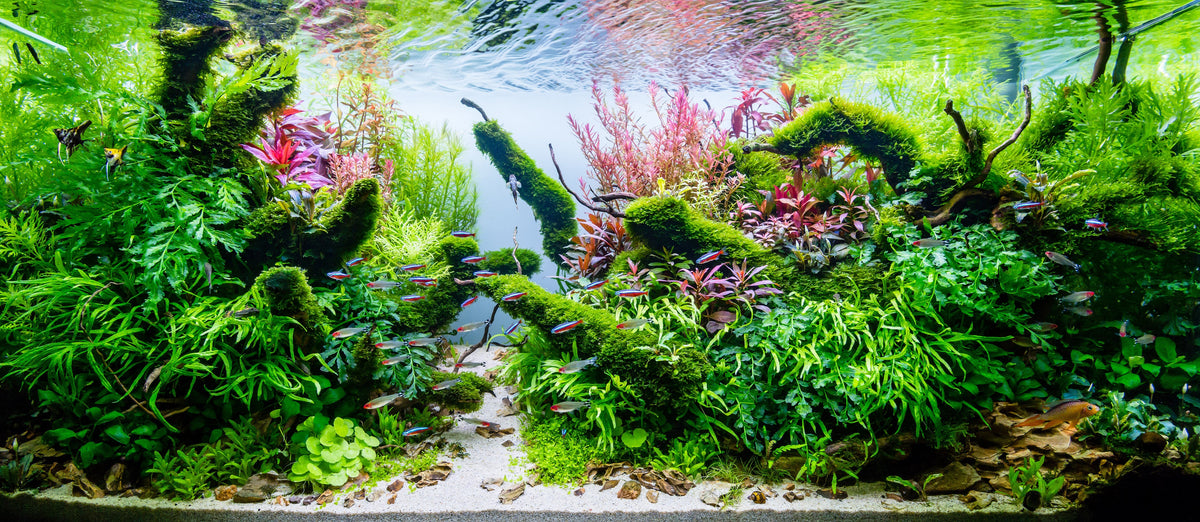
A beautiful planted aquarium doesn't happen by chance. It is the result of balancing four key elements: the right plants, proper lighting, good water circulation, and the nutrients plants need to grow.
Whether you're setting up your very first aquarium or refining an established aquascape, understanding these fundamentals will help you create a healthy, thriving underwater world for both plants and fish.
Start with the Right Plants
Choosing suitable plants is one of the most important decisions you'll make. Different species have different requirements for light, nutrients, and maintenance, so it's important to select plants that match your aquarium setup and experience level.
For beginners, easy-growing species can help build confidence and establish a stable planted aquarium. More experienced hobbyists may choose demanding plants that offer unique colors, textures, and growth forms.
When planning your layout, consider using a combination of:
- Foreground plants to create carpets and detail
- Midground plants to add structure
- Background plants to provide height and depth
- Mosses and epiphytes for hardscape decoration
A well-planned plant selection creates a natural-looking aquarium and gives your layout room to develop over time.








Light: The Engine of Plant Growth
Aquarium plants need light to grow. Too little light can result in slow growth and weak plants, while too much light can encourage algae.
Most planted aquariums perform well with 6-8 hours of lighting per day when first established. As the aquarium matures, lighting duration can often be increased depending on plant growth and overall balance.
When selecting lighting, consider:
- The depth of your aquarium
- The types of plants you want to grow
- The intensity of the fixture
- The duration of daily lighting
Plants with red coloration or demanding growth requirements generally benefit from stronger lighting, while many green species thrive under moderate conditions.
Consistency is often more important than intensity. Using a timer helps maintain a stable day-night cycle that supports healthy plant development.
Fertiliser and CO₂
Just like garden plants, aquatic plants need nutrients to grow and remain healthy.
Over time, essential nutrients are consumed by plants and removed through maintenance routines. Regular fertilization helps replenish these nutrients and supports healthy growth, stronger colors, and improved resistance to algae.
Key nutrients include:
- Nitrogen (N)
- Phosphorus (P)
- Potassium (K)
- Iron (Fe)
- Trace elements
In addition to fertilization, many planted aquariums benefit from supplemental CO₂. Carbon is one of the most important building blocks for plant growth and can significantly improve:
- Growth rate
- Plant density
- Color intensity
- Overall aquarium health
While many plants grow successfully without added CO₂, it can make a noticeable difference, especially in aquascapes with demanding species and stronger lighting.


Water Circulation Matters
Good water circulation is often overlooked, but it plays a crucial role in plant health.
Water movement distributes nutrients and CO₂ throughout the aquarium while helping prevent dead spots where waste and debris can accumulate.
Proper circulation helps:
- Deliver nutrients to all plants
- Improve CO₂ distribution
- Reduce algae-prone dead zones
- Support filtration efficiency
- Create a healthier environment for fish and plants
As a general rule, water should move gently throughout the entire aquarium without creating excessive turbulence. Plant leaves should move slightly, but strong currents that constantly bend plants should be avoided.
Patience Creates the Best Results
One of the biggest mistakes in planted aquariums is expecting instant results.
Plants need time to establish roots, adapt to new conditions, and begin active growth. During the first few weeks, some species may even lose older leaves as they transition to their new environment.
This is completely normal.
Focus on maintaining stable conditions:
- Perform regular water changes
- Keep lighting consistent
- Fertilize as needed
- Trim plants when necessary
- Avoid making frequent major changes
With patience and proper care, your aquarium will gradually become healthier, denser, and more beautiful over time.
Build Your Aquarium Around Balance
Successful planted aquariums are built on balance rather than any single product or technique.
Choose plants that suit your goals, provide appropriate light, ensure good circulation, and supply the nutrients plants need. When these elements work together, you'll create an environment where both plants and fish can thrive.
The result is more than just an aquarium. It's a living underwater landscape that continues to develop and improve with time.
Ready to get started? Explore our plant collection, discover helpful guides, and find inspiration for your next planted aquarium project.